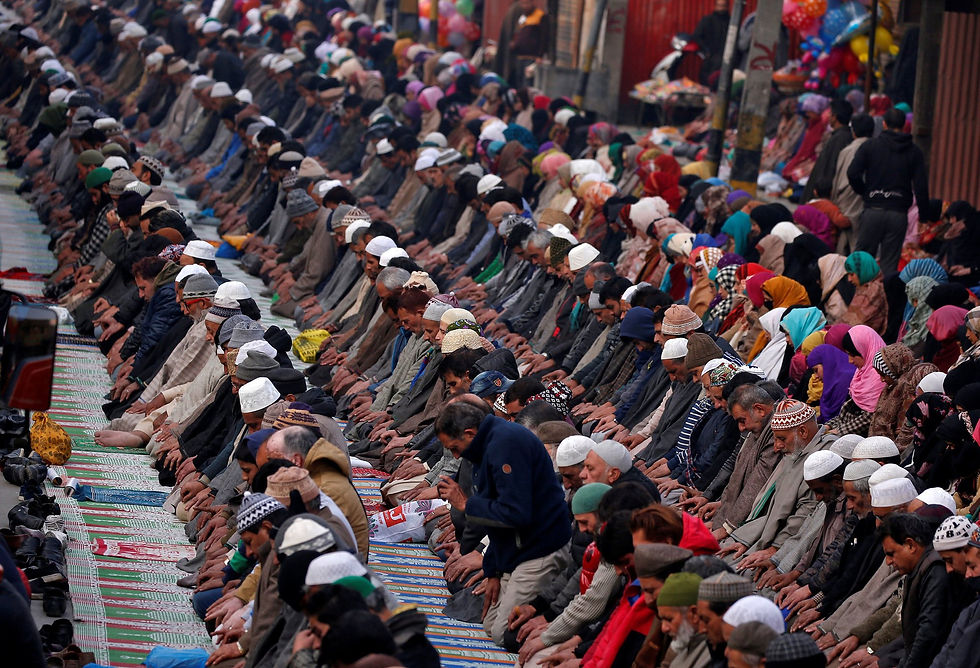
Muslims
Affects of Islamophobia on Muslims
In her analysis of Muslims' public health in America, Goleen Samari, a public health demographer focusing on social injustice, found: "Islamophobia can have a negative influence on health through the disruption of several different systems— individual (stress reactivity and stereotype threat), interpersonal (social relationships and socialization processes), and structural (institutional policies and media coverage)."
Media: https://www.nytimes.com/2017/11/24/world/middleeast/sufi-muslim-explainer.html
Health
Muslims are affected disproportionately affected in their health because a physician might have negative thoughts concerning Muslims, or assume a Muslim cannot communicate in the physician's language. Samari contends “…islamophobia-based stereotype threat can adversely affect the patient…”
Hate Crimes
Even at its lowest levels following 2001, hate crimes against Muslims were still numerous times higher than ever before. In his testimony to the Senate Judiciary Committee, Brian Levin, a researcher on hate crimes, reported “the data [on anti-Muslim hate crimes] does indicate a multi-year increase, even during periods when reported hate crime overall was declining” proving that islamophobia is an ever increasing problem. However, 2015 saw another surge as anti-Muslim hate crimes increased 67% from 2014, the second highest surge since 1992.